

Concrete Overview

Concrete is one of the most versatile and durable building materials in the world. From homes to commercial buildings, it can be formed into almost any shape and reach extremely high strengths.
Whether you’re pouring the foundation for a home, a sidewalk, or high-strength columns for a high-rise, we’ll design a mix that fits your job. Our staff has the knowledge and experience to help you order exactly what you need.


We use the most advanced chemical admixtures and the highest quality raw materials, so every load we deliver is the best concrete we can make.
Our fleet of over 45 ready-mix front discharge trucks make it possible for us to provide the most reliable service in the area as well as the most ease in pouring.

Call today for a quote and any questions you may have!
Our friendly staff is available to help you begin your upcoming project!
What is Concrete?
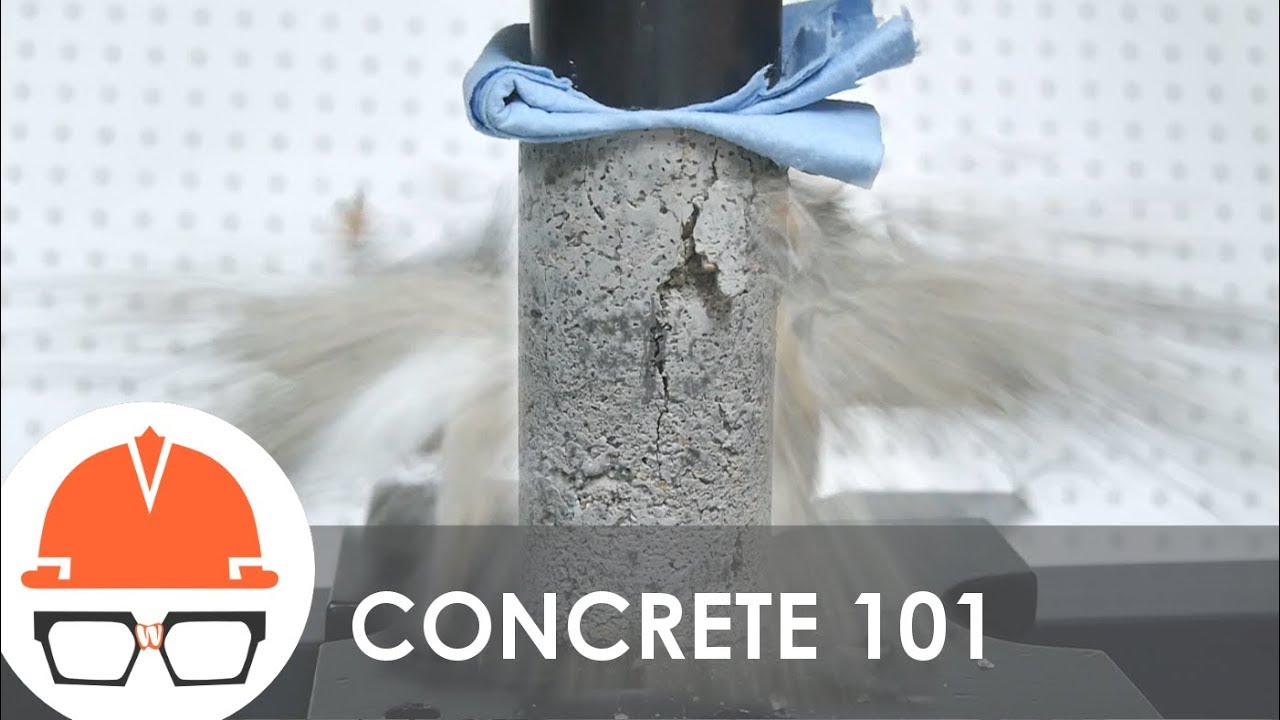
Frequently Asked Questions about Concrete
Are concrete and cement the same thing?
No, cement is one of the main ingredients in concrete. When cement is a binder or glue when mixed with water. When you add coarse and fine aggregates to the a cement and water mixture, then you have concrete. Cement is a pozzolanic material that reacts with water to form concrete. Concrete, in its plastic (or wet) form, is the building material used everyday in construction.
How much concrete do I need?

Concrete is measured in cubic feet and delivered and sold by the cubic yard. You can call our dispatchers to have them calculate your measurements or you can use our concrete calculator located here.
How long does it take for concrete to set up?
Under most conditions, concrete will become hard within 3-4 hours after placement. We recommend that you stay off the concrete for at least 3 days. Light vehicle traffic is acceptable after no less than 7 days. Concrete will gain it’s intial strength within those first 7 days. Within 28 days, concrete is considered cured and to have reached the desired strength by then. Concrete can continue to gain strength over the years.
What is slump?

Slump is a measure of how wet the concrete is. The higher the slump, the more fluid, or wet, the concrete is. When slump is increased with water, the resulting concrete will be lower strength, have more shrinkage, more bleedwater, and a weaker surface. This is not what you want for your project.
High slump (wetter concrete) can be achieved through chemical admixtures called midrange and superplasticing water reducers. Utilizing these additives will increase slump but will not hurt the overall performance of the mix, and will often increase performance, placeability, pumpability, and finishability.
The lower the slump, the drier, or stiff, the concrete is. Some concrete structures like curbs and pipes require a low slump mix. Vibration is key to getting good compaction and performance out of low slump concrete.
Without the use of water reducing admixtures, we recommend not exceeding a slump of 4″ in order to maintain strength and structural integrity.